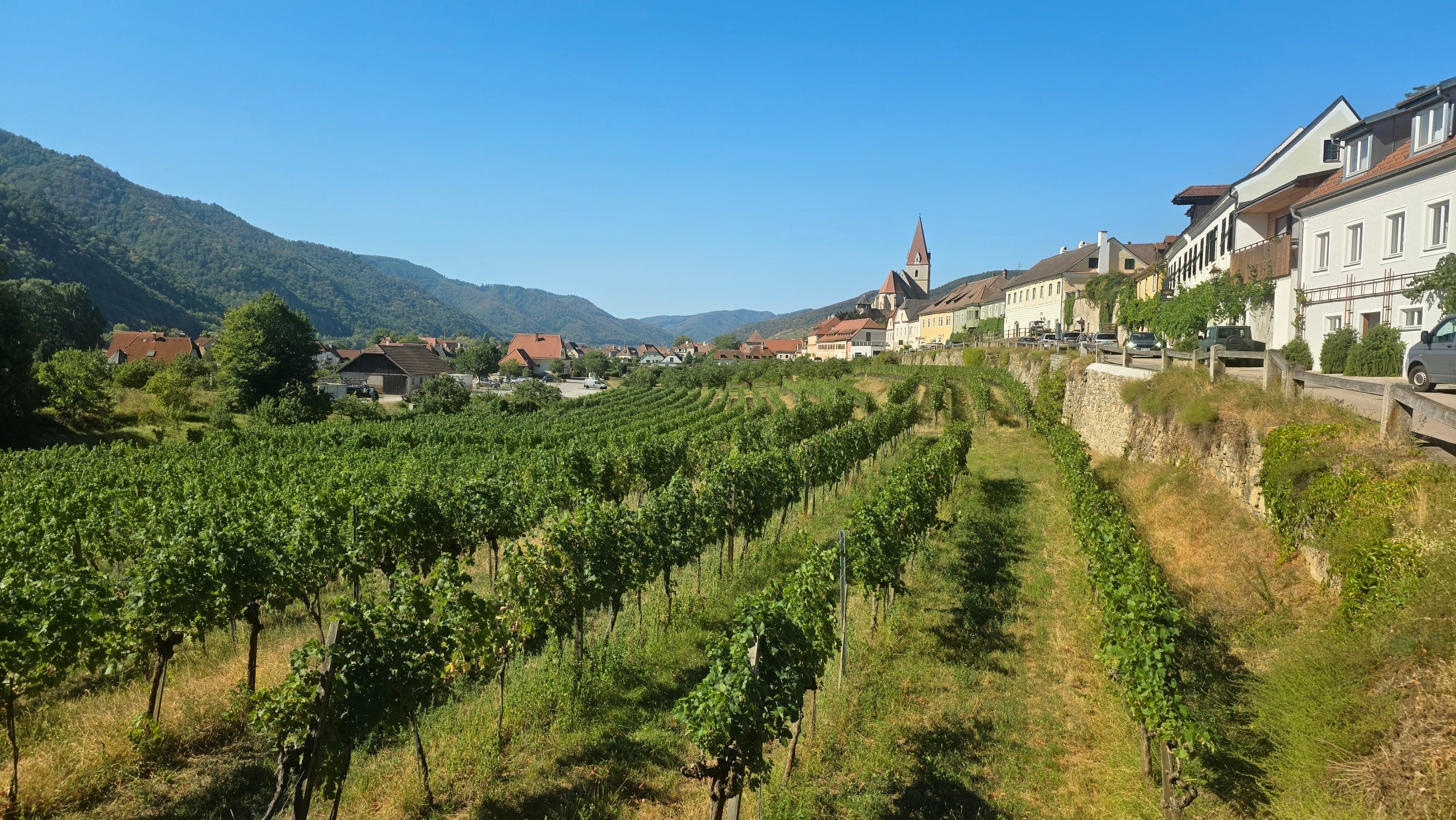
Earlier this week, I returned from a 12-day cycling adventure along the Danube, traveling from Passau, Germany to Budapest, Hungary. It was to be a river cruise paired with cycling. Drought and extremely low water levels on the Danube changed those plans.
Thanks to some quick work by the cruise line and Terra Nova Bicycle Tours, my river cruise became a land-based cycling adventure with shuttling between destinations. It wasn’t what I had planned, but it turned into a wonderful trip.
One of the things that stayed with me has little to do with cycling through vineyards and quaint villages or feasting on schnitzel and goulash. It was the cycling culture I saw every day.
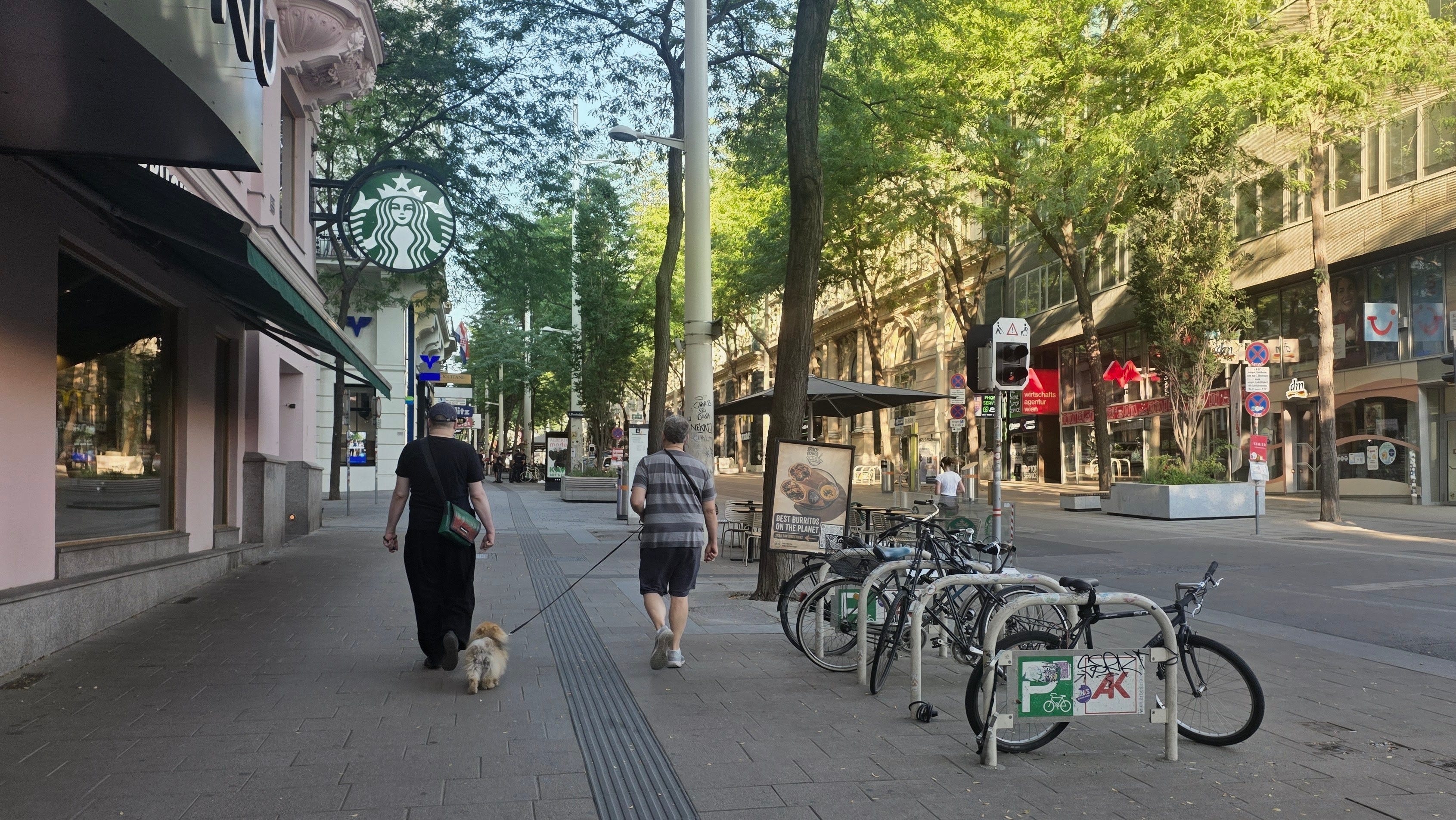
On my first morning in Passau, I walked the cobblestone streets and saw people on bicycles everywhere. People heading to work. Parents taking children to school. People were running errands. A mail carrier making his rounds by bicycle.
Nobody seemed to think this was unusual. Because it wasn’t. The bicycle was simply part of everyday life.
That is quite different from how we tend to view cycling in the United States. We often put cyclists into two categories: the person out for a ride or the Lycra-clad cyclist chasing the Strava leaderboard.
People on Bicycles
Millions of people ride bicycles for reasons other than recreation or sport. That number is growing and becoming more visible.
I was reminded of this in a recent Florida Bicycle Association newsletter. They have begun using the phrase “people on bicycles” rather than “cyclists.” At first, that seems like nothing more than a change in terminology. It is much more important than that.
Calling someone a “cyclist” can create an image of a particular type of person in our minds, someone who rides a bicycle because cycling is their recreation or their sport.
Call them a person on a bicycle, and suddenly the bicycle becomes secondary. The person comes first. That distinction matters.
That is why the Florida Bicycle Association intentionally uses the phrase “people on bicycles.” Words like “cyclist” or “bicyclist” can sometimes turn a human being into an abstract category, a type of traffic rather than a person. - Safer Bicycling Takes All of Us
Several years ago, I participated in an experiential cycling education program that taught us how to help people use bicycles for everyday transportation. One of the things the instructor told us has always stuck with me.
Ask someone who rides a bicycle to work or to the grocery store if they consider themselves a cyclist. The overwhelming answer is “no”.
Research on cycling identity supports that observation. Many people who regularly commute by bicycle do not identify themselves as “cyclists.” For them, a bicycle is simply a means of transportation, a way to get to work, go shopping, or get wherever they need to go.
That distinction is important. “Cyclist” describes how someone is traveling. It doesn’t necessarily describe who they are.
That is exactly what I saw along the Danube. In much of Europe, the bicycle is viewed much like Americans view the automobile: as a tool for getting somewhere. It is simply part of everyday life.
And that brings me back to something I’ve been writing about extensively lately: e-bikes.
Cultural Shift to People on Bicycles
America is in the middle of a cycling cultural shift. More people are finding themselves on bicycles. Some ride traditional pedal-powered bikes. Others are riding e-bikes.
Some are commuting. Some are delivering food and packages. Some are running errands. Some are taking their children places. Some are riding for exercise. Some are just having a great time on two wheels.
In this cultural shift, we’re also seeing more people, particularly young people, on e-bikes.
These aren’t all “cyclists” in the traditional sense. They are people on bicycles. I think that’s an important distinction as we figure out how bicycles and e-bikes fit into American life.
Responsibilities of People on Bicycles
There is another side to this conversation. If we want America to embrace the bicycle the way much of Europe has, then people on bicycles have responsibilities, too.
In Europe, I see something else that impresses me: a culture of sharing and caring. People on bicycles behaved as though they understood that they weren’t the only ones out there.
They were courteous. They followed the rules. They respected pedestrians. They understood that a bicycle, whether pedal-powered or electric, doesn’t give the rider special privileges.
That’s a lesson we need to carry forward here.
Someone who buys an e-bike to make deliveries may have quite a different reason for riding than someone who has spent 20 years in cycling clubs.
Someone riding an e-bike because it makes cycling accessible to them may have a completely different experience from a lifelong cyclist.
When we don’t ride responsibly, the consequences are real: conflict, unsafe behavior, excessive unsafe speed, misuse of technology, and increased risk for pedestrians and other people on bicycles.
Responsibilities of People on E-bikes
This is particularly important with e-bikes because the technology is bringing new people onto bicycles who may never have considered themselves cyclists before.
No question, that’s a good thing.
Bringing more people onto bicycles also means we need more education, more awareness, and, yes, reasonable and consistent rules.
My recent e-bike series has been an attempt to start that conversation. I don’t believe e-bikes are going away. Quite the opposite. They are becoming an increasingly important part of transportation and recreation in America.
The question isn’t whether we should have e-bikes. The question is how we integrate them into our communities responsibly.
Perhaps one place to start is by changing how we think and talking about the people riding them. Let’s stop thinking of cyclists as some separate category of people.
They are people. People go to work. People go to school. People go to the grocery. People deliver dinner. People exercise. People enjoy the trail and outdoors. People visit friends. People go somewhere.
They happen to be on bicycles. That’s how I saw cycling along the Danube. Perhaps that’s the perspective we need to bring home with us.
See the Person First. See the Bicycle Second.
To everyone who is a person on a bicycle, whether on a 20-year-old road bike, a mountain bike, a cruiser, or an e-bike, remember that being part of this growing cycling culture comes with a responsibility.
Ride smart. Ride courteously. Respect the people around you. Follow the rules.
Because if we want to build a country where bicycles are treated as a normal part of everyday transportation, we need to act as if they belong there. Because they do.
And they are not just cyclists. They are people on bicycles.