

At a recent meeting, the organizer of a cycling event meant to celebrate both trail and road riding shared some disappointment. Far fewer people had signed up for the trail routes than the road routes.
Then a familiar theory came up. Maybe trail riders are older and past the physical challenge of the road. Maybe they ride fewer miles, at slower speeds, and just aren’t as serious about cycling.
I’ve heard some version of that more than once, and it stuck with me. Are trail cyclists really a different breed? Are they lesser cyclists because they like a different kind of ride? And if organizers worry about an aging crowd and too few younger riders and families, could they miss something important?
I think they are.
If You Ride a Bike, You’re a Cyclist
Years ago, an instructor in a cycling class told us, “If you ride a bicycle, you’re a cyclist.” Simple, but I’ve never forgotten it.
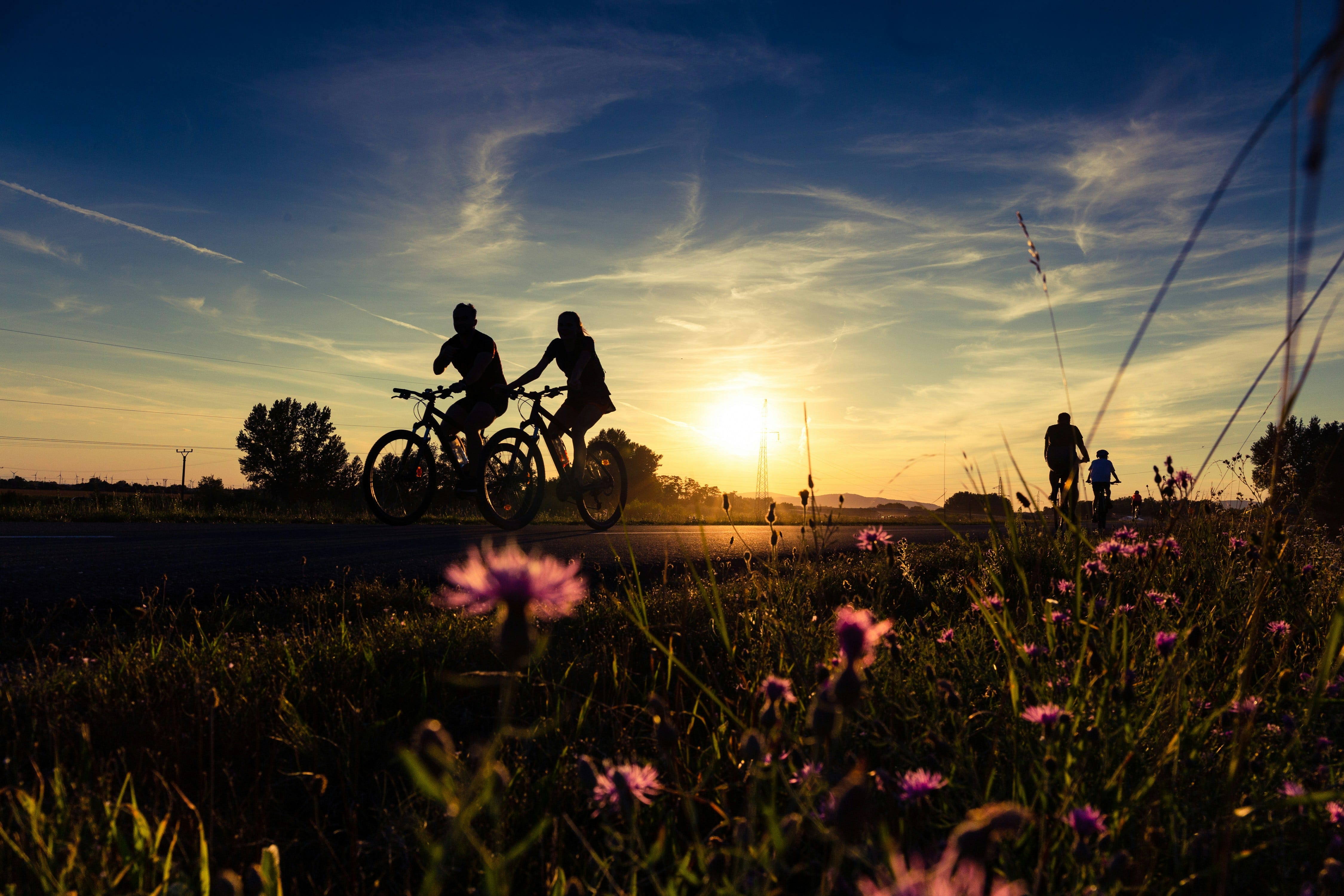
Some cyclists ride 100 miles in a day. Others ride 10. Some chase personal records and steep climbs. Others ride for scenery, time with friends, or just to get outside for an hour after work. They ride road bikes, gravel bikes, mountain bikes, tricycles, and e-bikes. They ride paved trails, country roads, gravel, single-track, and neighborhood streets.
They come in all ages and abilities. The experience of a seasoned racer is different from that of a child learning to ride or an older adult returning to cycling, but none is more entitled to the title of cyclist than another.
Still, we have an unspoken pecking order. The more miles, the faster the speed, the tougher the route, the more you seem to “count.” I’m a later-in-life person who returned to cycling. I understand the appeal of challenges and excelling in the sport. The problem is assuming one version of cycling is more authentic than another.
A bicycle has two wheels, or sometimes three. It may have an electric motor to provide a little extra help. Beyond that, the experience is yours to define.
Why Do People Choose Trails?
I suspect the reasons have little to do with whether someone could handle a hard road route.
Safety. Trails aren’t hazard-free. They have road crossings, changing surfaces, dogs, strollers, and other trail users moving at different speeds. But they take away much of what makes riding with cars stressful: distracted drivers, impatient motorists, heavy traffic, and narrow lanes. For plenty of people, that’s the difference between riding and leaving the bike in the garage.
Think of someone returning to cycling after years away, a parent teaching a kid, or an older adult who wants to stay active without the anxiety. An e-bike might help someone manage hills or ride farther than they otherwise could. A trail can give them the confidence to start or keep going.
That’s not a lesser form of cycling. It’s the chance to cycle at all.
Respite. What I love most about a trail is leaving the noise and demands of the world behind. Following a tree-lined path beside a river or into a small Ohio town changes the pace of life. The freedom to become immersed in the ride without worrying about cars and trucks passing too close or too fast.
I notice the seasons, the sounds, and the people I pass, stop, and chat with. Not every ride needs to test your endurance. Sometimes the best ride is the one that gives you room to breathe.
Access. As urban sprawl spreads into the suburbs, safe, comfortable places to ride get harder to find. Many towns are working on it with separated bike lanes, sharrows, and road diets. That work needs to continue. Trail networks are growing with more rides closer to home and connected to shops and workplaces.
The trail is a short drive away, or even a short ride for many people. A recreational ride becomes a grocery run, a commute to work, or a traffic-free errand trip. E-bikes extend those possibilities, making longer distances and hilly routes more manageable for some riders.
A trail is a place to train, but it is also a practical way to get around. Its value isn’t measured only in miles covered or calories burned.
Community. Spend time on a multi-use trail, and you’ll meet a wonderfully mixed crowd: cyclists, runners, walkers, families with strollers, dog walkers, and people using mobility devices. They bring different ages, abilities, and reasons for being there. That variety is part of what makes a trail special.
What This Means for Cycling Events
If organizers are worried about declining participation, an aging audience, or reaching younger riders and families, I’d look beyond how many signed up for each route. My first suggestion is simple: make it clear that everyone is welcome.
Watch the marketing language. Promotion that centers on conquering a hilly century sends a message, intended or not: this is for experienced riders ready for a serious test. That’s a perfectly good audience, but it isn’t the only one.
What if the pitch also talked about a beautiful route, a new trail, meeting other cyclists, or a day outdoors? What if it made clear that the event welcomes a wider range of riders and riding styles? The words we use help people decide whether an event is meant for them.
Offer a range. Maybe that’s a 10-mile trail ride, a 25-mile route, a moderate road ride, and a challenging 100-mile course. Make it clear which routes suit different experience levels and what kinds of bikes are appropriate.
The goal isn’t to water down an event. It’s to recognize that challenge means different things to different people. For one rider, a century is the highlight of the season. For another, riding 10 miles for the first time is a big deal. For a family, an easy ride followed by lunch might be perfect.
An event that makes room for different goals gives newcomers a reason to participate and a chance to discover what they enjoy.
Give people a reason to come. Our schedules are packed, so spending a day or a weekend on an event needs a good reason. People want connection, camaraderie, a new place to explore, a personal challenge, or just a good day with people who share their interests. Often, it’s a welcoming atmosphere where everyone feels a sense of belonging.
A successful event isn’t just about where people ride. It’s about why they want to be there.
This Isn’t Abandoning the Challenge
To be clear, I’m not arguing against century rides, steep climbs, or the satisfaction of pushing your limits. I’ve done challenging rides myself, and there’s a real thrill in finishing a hard route and discovering what you can do.
Nor am I suggesting that every event has to accommodate every kind of bicycle or rider on every route. Surfaces, grades, and safety considerations matter. Organizers need to be clear about what a ride involves and which bikes are suitable.
My concern is the assumption that the traditional model is the only one worth celebrating, especially when organizers wonder why their crowd is aging. Maybe the answer isn’t to turn everyone into a more serious cyclist.
Maybe many people don’t see themselves in a culture built on competition, speed, and distance. They just want to get on a bike, enjoy the outdoors, and share the experience with others. They shouldn’t have to earn the title of cyclist. They already are.
The Path Ahead
As a trail advocate, I welcome any event that gets people exploring trails. Across Ohio and beyond, networks keep growing and connecting, making it easier to travel farther and discover places we might never have visited otherwise. There’s room for all in it.
We need road cyclists, mountain bikers, gravel riders, and e-bikers. We need younger riders and older ones, people with years of experience and those just getting started. We need people who want a serious physical challenge and people who just want to enjoy a ride at their own pace.
Some will ride 10 miles or 100, at 8 miles per hour or 18, chasing a personal record or stopping for photos. Some will pedal every inch, while others will appreciate a little electric assistance along the way.
The Bicycle Brings Us Together, not the Miles.
Next time someone tells you they enjoy cycling, don’t assume you know what that means. Ask where they ride and what they love about it. You might even find something worth trying yourself.
If you’re organizing an event, save them a seat at the table. The future of cycling may depend less on how many people will ride 100 miles and more on how many we can get on a bike in the first place.
I’ll keep pedaling the trails. I hope you’ll join me.
Happy Trails!
Tom on the Trails
Great points, Tom. There is a class of cyclists that don't get mentioned very often. The individuals who use their bicycles for transportation to and from work at 6:00 in the morning. They are a part of the cycling community as well
Your introduction sentence says "Far fewer people had signed up for the trail routes than the road routes.". Isn't your post saying more people chose the trail instead of the road? Just looking for clarification.